Case Report | | Peer-Reviewed

Hookworm - Associated Iron Deficiency Anemia at Age Extremes: Two Case Reports from North Sulawesi, Indonesia

Received: 6 November 2025     Accepted: 20 November 2025     Published: 19 December 2025
Views:       Downloads:
Abstract

Iron deficiency anemia (IDA) is the most common form of anemia worldwide and remains a significant health concern in tropical countries where parasitic infections are endemic. Hookworm infestation is a leading but frequently overlooked etiology due to its subtle clinical manifestations and limited routine parasitological testing. We describe two contrasting cases of severe hookworm-related IDA from North Sulawesi, Indonesia: a 72-year-old woman and a 1-year-old infant. Both patients presented with profound microcytic hypochromic anemia but without overt gastrointestinal bleeding. Laboratory evaluation confirmed severe iron deficiency, while stool microscopy revealed hookworm eggs at early cleavage stages, establishing the diagnosis. Despite similar causes, their clinical courses diverged. The infant, whose anemia was compounded by inadequate weaning nutrition, responded rapidly to transfusion, iron supplementation, and single-dose albendazole. The elderly patient, with chronic cumulative exposure from barefoot walking in rural areas, improved more slowly following transfusion, prolonged iron therapy, and a short course of albendazole. These cases highlight the need for routine stool examination in all patients with unexplained IDA in endemic areas, regardless of age. They further emphasize gaps in deworming programs, which often exclude high-risk groups such as infants and older adults. Expanding preventive measures is essential to reduce morbidity and long-term complications.

Published in International Journal of Infectious Diseases and Therapy (Volume 10, Issue 4)
DOI 10.11648/j.ijidt.20251004.12
Page(s) 85-92
Creative Commons

This is an Open Access article, distributed under the terms of the Creative Commons Attribution 4.0 International License (http://creativecommons.org/licenses/by/4.0/), which permits unrestricted use, distribution and reproduction in any medium or format, provided the original work is properly cited.

Copyright

Copyright © The Author(s), 2025. Published by Science Publishing Group

Keywords

Iron Deficiency Anemia, Hookworm Infection, Indonesia

1. Introduction
Iron deficiency anemia (IDA) is the most common type of anemia worldwide, accounting for over 30% of anemia cases globally . According to the World Health Organization (WHO), approximately 1.62 billion people are affected by anemia, with iron deficiency being the leading cause, especially in low- and middle-income countries . IDA is characterized by reduced hemoglobin synthesis due to inadequate iron availability, leading to decreased oxygen-carrying capacity of red blood cells and clinical symptoms such as fatigue, pallor, and reduced physical performance .
One of the major, yet often neglected, causes of IDA is chronic blood loss due to parasitic infections, particularly hookworm infections caused by Ancylostoma duodenale and Necator americanus. These soil-transmitted helminths (STH) are endemic in tropical and subtropical regions, especially in areas with poor sanitation and inadequate public health infrastructure . It is estimated that over 400 million people are infected with hookworms globally, with the highest burden in sub-Saharan Africa, Southeast Asia, and Latin America . In North Sulawesi, recent local data underscore the continued relevance of this issue. A cross-sectional study conducted at the Clinical Parasitology Laboratory in Manado found that 50% of adult stool samples tested positive for intestinal helminths, with hookworm infection identified in 35% of all samples, the highest among detected species . This evidence demonstrates that STH infections, particularly hookworm, remain a significant public health concern not only in children but also in adults living in high-risk environments such as rural and agricultural areas.
Hookworms cause anemia primarily through chronic intestinal blood loss. Adult worms attach to the mucosa of the small intestine, feeding on blood and causing microbleeding at the site of attachment . Ancylostoma duodenale in particular is capable of consuming up to 0.2 mL of blood per day per worm, which can lead to significant cumulative iron loss in individuals with heavy worm burden . The degree of anemia correlates with the intensity of infection and the nutritional status of the host .
Despite its public health significance, hookworm-induced anemia is often underdiagnosed due to its insidious onset and the non-specific nature of clinical symptoms. In many cases, routine hematologic workups for anemia do not include parasitological stool examinations, especially in urban or hospital-based settings where parasitic infections are not immediately suspected . This may result in delayed or inadequate treatment.
In this report, we present two clinical cases of iron deficiency anemia secondary to hookworm infestation, highlighting the importance of early recognition, laboratory diagnosis, and prompt treatment in patients from endemic regions. These cases underscore the continued relevance of parasitic infections as a cause of chronic anemia and the need for integrating parasitological screening in the evaluation of anemia in appropriate epidemiologic contexts.
2. Case Report
Case 1: Elderly Female
A 72-year-old female, a housewife living in a coastal rural area of North Sulawesi, presented to a private type C hospital in a regency in North Sulawesi with complaints of worsening shortness of breath over the past several weeks. The patient reported easy fatigability and reduced physical activity. Notably, she had a long-standing habit of walking barefoot both inside and outside the home, including during gardening and farming activities. She denied any overt gastrointestinal bleeding, melena, or hematochezia. There was no history of recent illness, chronic medical conditions, or use of non-steroidal anti-inflammatory drugs.
On examination, her vital signs were within normal limits, although she appeared pale and mildly tachypneic. Physical findings included conjunctival pallor, brittle fingernails, and mild pedal edema. A soft systolic flow murmur was auscultated at the left sternal border. There was no evidence of lymphadenopathy or hepatosplenomegaly. The rest of the systemic examination was unremarkable.
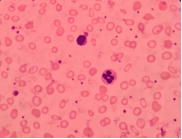
Laboratory investigations (Table 1) revealed severe anemia with an initial hemoglobin level of 4.3 g/dL and hematocrit of 15.1%, accompanied by low red blood cell (RBC) indices: mean corpuscular volume (MCV) 67.9 fL, mean corpuscular hemoglobin (MCH) 19.2 pg, and mean corpuscular hemoglobin concentration (MCHC) 28.5 g/dL. The red cell distribution width (RDW) was elevated at 18%, suggesting anisocytosis. Iron profile confirmed iron deficiency, with serum iron 28 µg/dL, transferrin saturation 10%, and total iron-binding capacity (TIBC) of 282 µg/dL. Serum ferritin, although within the lower normal range at 43.94 ng/mL, indicated depleted iron reserves when interpreted in the context of inflammation or chronic loss. Peripheral blood smear (Figure 1) showed hypochromic, microcytic erythrocytes with marked anisopoikilocytosis.
Table 1. Hematological and Biochemical Laboratory Results of Case 1.

Parameter

Initial Result

Follow-up Result

Reference Range (female adult)

Unit

Hemoglobin

4.3

7.0

12-16

g/dL

Red Blood Cells (RBC)

2.24

3.1

4.0-5.2

×10⁶/μL

Hematocrit

15.1

23.1

36-46

%

MCV

67.9

74.5

80-96

fL

MCH

19.2

22.6

27-33

pg

MCHC

28.5

30.3

32-36

g/dL

RDW

18.0

19.9

11.5-14.5

%

White Blood Cells (WBC)

8.6

3.7

4.0-11.0

×10³/μL

Neutrophils

86

-

50-70

%

Lymphocytes

8

-

20-40

%

Monocytes

5

-

2-8

%

Eosinophils

1

-

1-5

%

Basophils

0

-

0-1

%

Platelets (PLT)

161

218

150-400

×103/μL

Serum Iron

28

-

60-170

µg/dL

TIBC

282

-

250-450

µg/dL

UIBC

204

-

-

µg/dL

Transferrin Saturation

10

-

20-50

%

Serum Ferritin

43.94

-

15-150

ng/mL

Stool (Ova/Parasite)

Positive (6-cell stage)

-

Negative

-

Stool RBC/WBC

5-10 / 2-3 per LPF

-

-

cells/LPF

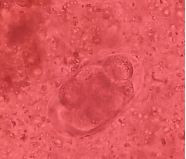
A stool examination was performed due to epidemiological suspicion. The stool specimen was examined using direct wet mount microscopy with eosin stain. The sample appeared yellowish-brown with soft consistency and showed 2-3 leukocytes and 5-10 erythrocytes per low-power field (LPF), suggesting mild intestinal inflammation and bleeding. Parasitological analysis revealed the presence of hookworm eggs in the 6-cell cleavage stage (Figure 2). Based on clinical history, laboratory findings, and parasitological confirmation, a diagnosis of severe iron deficiency anemia due to chronic hookworm infestation was made.
Observed Under Oil Immersion (1000× Magnification)

Download: Download full-size image

Figure 1. Peripheral Blood Smear Showing Microcytic Hypochromic Red Blood Cells with Anisopoikilocytosis.
The patient was treated with oral ferrous sulfate (325 mg three times daily), along with albendazole 400 mg once daily for 3 days. She received two units of packed red blood cells due to the severity of anemia and was advised on hygienic practices, including wearing protective footwear. Nutritional counseling was also provided. At a two-week follow-up, repeat laboratory tests showed improved hemoglobin (7.0 g/dL) and hematocrit (23.1%), and increased platelet count (218 ×103/μL). The patient reported a marked improvement in energy levels and resolution of shortness of breath.
Under Oil Immersion (1000× Magnification)

Download: Download full-size image

Figure 2. Hookworm Egg Observed in Stool Specimen Stained with Eosin, Showing Six-Cell Cleavage Stage.
Case 2: Infant Male
A 1-year-old male infant was brought to the same hospital by his parents due to pallor, lethargy, and poor feeding that had progressively worsened over the past two weeks. The parents reported increased irritability, reduced appetite, and shortness of breath during mild activity. There was no recent history of fever, vomiting, or diarrhea. The child had not yet received routine deworming and had recently transitioned from exclusive breastfeeding to complementary feeding, primarily consisting of rice porridge and other low-iron foods.
He resided in a lowland agricultural area with frequent soil contact during play, although the family had access to basic sanitation. There was no known history of genetic blood disorders in the family.
On physical examination, the infant appeared pale and fatigued, with signs of growth faltering. Conjunctival pallor and palmar pallor were evident. A grade II/VI systolic murmur was heard on cardiac auscultation. Mild frontal bossing and sparse hair were noted. Abdominal examination revealed no organomegaly.
Initial laboratory findings (Table 2) revealed critical anemia, with a hemoglobin level of 2.1 g/dL, RBC count of 1.63 ×10⁶/μL, and hematocrit of 9.2%. RBC indices showed marked microcytic hypochromic anemia: MCV 56.4 fL, MCH 12.9 pg, and MCHC 22.8 g/dL. RDW was significantly elevated at 21%, indicating a wide variation in red cell size. The iron profile showed serum iron of 37 µg/dL, low transferrin saturation of 8%, and high TIBC of 491 µg/dL, confirming iron deficiency. Serum ferritin was also low at 12.18 ng/mL.
The white blood cell (WBC) count was 10.3 ×10³/μL with relative eosinophilia (6.1%), suggesting a possible parasitic infection. Stool examination showed soft yellow-brown feces, with 1-2 leukocytes and 4-5 erythrocytes per low power field. Hookworm eggs were detected in the 6-cell cleavage stage, consistent with active infection.
Given the extremely low hemoglobin level, the infant received an urgent transfusion of packed red blood cells. Oral ferrous sulfate was initiated (6 mg/kg/day elemental iron), and empirical albendazole (200 mg single dose) was administered due to the confirmed hookworm etiology.
Follow-up after three days showed rapid hematological improvement: hemoglobin rose to 10.2 g/dL, hematocrit to 34.1%, and RBC count to 4.3 ×10⁶/μL. The child’s energy and appetite also improved significantly.
This case highlights the vulnerability of infants to severe anemia from combined nutritional and parasitic causes and emphasizes the need for early screening, deworming, and nutritional support in endemic areas.
Table 2. Hematological and Biochemical Laboratory Results of Case 2.

Parameter

Initial Result

Follow-up Result

Reference Range (Infant)

Unit

Hemoglobin

2.1

10.2

9.6-13.5

g/dL

Red Blood Cells (RBC)

1.63

4.3

4.0-5.2

×106/μL

Hematocrit

9.2

34.1

34-48

%

MCV

56.4

79.3

76-92

fL

MCH

12.9

23.7

23-31

pg

MCHC

22.8

29.9

32-36

g/dL

RDW

21.0

26.7

11.5-14.5

%

White Blood Cells (WBC)

10.3

12.4

5.5-17.5

×103/μL

Neutrophils

48

-

22-46

%

Lymphocytes

36

-

37-73

%

Monocytes

10

-

2-11

%

Eosinophils

6

-

1-4

%

Basophils

0

-

0-2

%

Platelets (PLT)

294

213

150-400

×103/μL

Serum Iron

37

-

40-100

µg/dL

TIBC

491

-

250-450

µg/dL

UIBC

454

-

-

µg/dL

Transferrin Saturation

8

-

20-50

%

Serum Ferritin

12.18

-

20-200

ng/mL

Stool (Ova/Parasite)

Positive (6-cell stage)

-

Negative

-

Stool RBC/WBC

4-5 / 1-2 per LPF

-

-

cells/LPF

3. Discussion
Both case reports describe patients diagnosed with severe iron deficiency anemia (IDA) associated with hookworm infection; however, the two cases differ significantly in age, clinical presentation, contributing factors, and response dynamics to treatment. The first patient was a 72-year-old female, whereas the second was a 1-year-old male infant. This age difference not only influences physiological iron requirements but also affects the likelihood of comorbidities, dietary habits, and exposure risks. The elderly patient likely had chronic cumulative exposure to environmental risk factors, while the infant was vulnerable primarily due to nutritional inadequacy and early parasitic exposure.
The adult patient presented with dyspnea and a history of prolonged barefoot walking in a coastal rural environment, a well-documented risk factor for hookworm infection due to larvae penetration through the skin. In contrast, the infant’s symptoms were dominated by pallor, poor feeding, and lethargy, with exposure likely occurring through contaminated play environments despite access to basic sanitation. His iron deficiency was multifactorial, caused by an unbalanced weaning diet, early introduction of low-iron complementary foods, and active hookworm infection confirmed by stool microscopy and eosinophilia.
Both patients exhibited classic features of microcytic, hypochromic anemia with markedly low hemoglobin (Hb 4.3 g/dL in the elderly, 2.1 g/dL in the infant), low mean corpuscular volume (MCV), and elevated red cell distribution width (RDW), indicating anisocytosis and active marrow response. However, the infant’s iron indices showed more severe depletion: ferritin 12.18 ng/mL and transferrin saturation 8%, compared to ferritin 43.94 ng/mL and saturation 28% in the elderly. This may reflect a more acute iron loss or less efficient iron recycling in infancy. Moreover, eosinophilia (6.1%) was observed in the infant but not in the adult, further supporting active parasitic infection in the younger patient.
For treatment, both patients responded well to transfusion and oral iron therapy, combined with albendazole as antiparasitic treatment. The infant showed a rapid hematologic recovery, with hemoglobin increasing from 2.1 g/dL to 10.2 g/dL within three days, indicating robust bone marrow responsiveness. The elderly patient's recovery was more gradual, as expected in older adults with chronic depletion.
Iron deficiency anemia (IDA) remains the most common nutritional deficiency worldwide and is a major public health problem, particularly in low- and middle-income countries . Among the various etiologic factors, hookworm infection plays a significant but often under-recognized role, especially in areas where soil-transmitted helminths (STHs) are endemic . Hookworms, primarily Ancylostoma duodenale and Necator americanus, attach to the small intestinal mucosa and feed on blood, leading to chronic blood loss and iron depletion. The burden of anemia correlates with the intensity of infection and the host’s iron reserves . In elderly individuals, cumulative exposure to contaminated soil and reduced iron absorption due to age-related gastrointestinal changes contribute to the chronicity and severity of anemia . In contrast, infants and young children are more susceptible to rapid iron depletion due to increased iron demand for growth, dietary inadequacies, and immune immaturity, which allows for earlier onset of symptomatic disease , as seen in our infant patient with an initial hemoglobin level of only 2.1 g/dL.
A systematic review by Brooker et al. (2008) estimated that hookworm infection contributes to over 3.2 million disability-adjusted life years (DALYs) lost globally, largely due to its impact on anemia. Its burden disproportionately affects pregnant women, school-age children, and the elderly, underscoring the need for targeted screening and prevention strategies .
Diagnosing IDA due to hookworm requires a comprehensive approach, integrating hematologic parameters and parasitological evidence. Complete blood count (CBC) findings of microcytic, hypochromic anemia with elevated RDW are characteristic, but non-specific. Iron profile abnormalities, such as low serum iron, low ferritin, elevated TIBC, and low transferrin saturation, help confirm iron deficiency but do not point to etiology .
In our case series, stool examination was essential to establishing the diagnosis. Although ova detection was successfully performed by direct microscopy with eosin staining, egg quantification was not conducted. We acknowledge that quantitative techniques such as the Kato-Katz or McMaster method could provide valuable insight into infection intensity and are recommended for future investigations.
The stool samples were also screened for other helminths and protozoa; however, only hookworm ova were identified. Nonetheless, co-infections with Trichuris trichiura, Strongyloides stercoralis, or Giardia intestinalis may also contribute to anemia and malabsorption and should be considered in broader parasitological screening, particularly in endemic regions.
Notably, in the elderly patient, parasitic infection was only suspected after persistent hypochromic anemia with unexplained iron loss, while in the infant, eosinophilia prompted stool examination, leading to the detection of hookworm ova. These cases underscore not only the diagnostic value of routine stool analysis in patients from endemic areas, even in the absence of gastrointestinal symptoms, but also the importance of close collaboration between clinical pathology and parasitology. Incorporating parasitic screening into IDA workups is essential in such settings. Clinical laboratories play a central role in raising suspicion of parasitic causes, particularly when hematologic abnormalities are accompanied by mild eosinophilia or subclinical inflammation .
Diagnosing hookworm-induced anemia presents challenges due to nonspecific symptoms such as fatigue, pallor, and breathlessness, which may be attributed to aging or malnutrition. Additionally, stool examinations are often omitted from routine anemia workups due to limited resources or lack of clinical suspicion . In both reported cases, delayed recognition of hookworm infection could have led to further deterioration or ineffective treatment if empiric iron therapy had been continued without addressing the parasitic cause. In infants, IDA may also be misattributed to feeding issues or infection. Similarly, older adults may be investigated for gastrointestinal malignancies before considering helminthiasis. A high index of suspicion and awareness of local epidemiology are therefore essential .
Both patients responded favorably to transfusion, oral iron supplementation, and albendazole therapy, though their rates of hematologic recovery differed significantly. The infant showed a rapid rise in hemoglobin from 2.1 to 10.2 g/dL within three days, reflecting a robust bone marrow response, likely due to recent onset and high metabolic demand for erythropoiesis. In contrast, the elderly patient demonstrated slower improvement, consistent with age-related marrow hypo-responsiveness, comorbid factors, and prolonged depletion of iron stores. These differences highlight the importance of age-specific monitoring and follow-up strategies. Infants require nutritional rehabilitation and surveillance for growth, while elderly patients may need longer-term iron therapy and management of contributing gastrointestinal conditions .
In Indonesia, the national deworming program primarily targets school-aged children with biannual mass drug administration. Adults and children under one year are typically excluded . In our report, neither the infant nor the elderly patient had previously received deworming, indicating gaps in program coverage. These cases underscore the need to broaden national policies to include vulnerable, high-risk populations beyond the school-age group.
Community engagement and public health education are critical for helminth control. In the reported region, most health promotion efforts are school-based or part of maternal and child health programs, with limited outreach to the elderly. Local health workers including village midwives and community volunteers (kader) play a central role in delivering health education, encouraging sanitation practices, and facilitating early diagnosis. Strengthening their involvement could enhance early detection and prevention .
Hookworm-induced anemia is a preventable cause of morbidity with substantial social and economic implications. The WHO recommends periodic preventive therapy for children aged 1-14 years, as well as women of reproductive age, alongside iron supplementation, sanitation improvement, and health education. In Indonesia, these recommendations are operationalized through the national mass deworming program (“Program Pemberian Obat Pencegahan Massal Cacingan”), delivered via Posyandu and school-based activities. However, infants aged 12-23 months often receive inconsistent coverage because deworming at Posyandu depends on caregiver attendance and varies across regions, explaining why the infant in our report had never received preventive treatment despite falling within the WHO-recommended age group. Meanwhile, older adults are not included in any routine deworming program, despite ongoing exposure risks in rural settings. These implementation gaps indicate that both infants and the elderly remain vulnerable. Expanding coverage through community health posts, ensuring uniform delivery of preventive therapy, and integrating high-risk neglected groups into national strategies are crucial to reducing the burden of hookworm-related anemia in endemic areas .
4. Conclusion
These contrasting cases demonstrate how the same parasitic etiology can present differently at the extremes of age, with distinct clinical profiles and recovery patterns. They reinforce the diagnostic value of stool microscopy, the need for clinician awareness in endemic areas, and the importance of expanding deworming strategies beyond the traditional focus on school-aged children. Addressing these challenges requires not only individual clinical vigilance but also stronger integration of parasitology into public health programs.
Abbreviations

IDA

Iron Deficiency Anemia

WHO

World Health Organization

STH

Soil Transmitted Helminths

MCV

Mean Corpuscular Volume

MCH

Mean Corpuscular Hemoglobin

MCHC

Mean Corpuscular Hemoglobin Concentration

RDW

Red Cell Distribution Width

TIBC

Total Iron Binding Capacity

UIBC

Unsaturated iron Binding Capacity

RBC

Red Blood Cells

WBC

White Blood Cells

PLT

Platelet

CBC

Complete Blood Count

Acknowledgments
We thank the patients and their families for their cooperation. Written informed consent was obtained from the elderly patient and from the infant’s guardian for data and image use in publication. Ethical approval was not required per institutional guidelines.
Author Contributions
Diana Shintawati Purwanto: Conceptualization, Data curation, Formal Analysis, Investigation, Writing – original draft
Josef Sem Berth Tuda: Conceptualization, Formal Analysis, Supervision, Writing – review & editing
Funding
This work is not supported by any external funding.
Conflicts of Interest
The authors declare no conflicts of interest.
References
[1] Kumar A, Sharma E, Marley A, Samaan MA, Brookes MJ. Iron deficiency anaemia: pathophysiology, assessment, practical management. BMJ Open Gastroenterol. 2022 Jan; 9(1): e000759.
[2] Manish A. Iron deficiency anemia: A global public health concern. Int J Clin Biochem Res. 2025 Jan 28; 11(4): 229-36.
[3] Kumar SB, Arnipalli SR, Mehta P, Carrau S, Ziouzenkova O. Iron deficiency anemia: efficacy and limitations of nutritional and comprehensive mitigation strategies. Nutrients. 2022 Jul 20; 14(14): 2976.
[4] Caldrer S, Ursini T, Santucci B, Motta L, Angheben A. Soil-transmitted helminths and anaemia: A neglected association outside the tropics. Microorganisms. 2022 May 13; 10(5): 1027.
[5] Riaz M, Aslam N, Zainab R, Aziz-Ur-Rehman, Rasool G, Ullah MI, et al. Prevalence, risk factors, challenges, and the currently available diagnostic tools for the determination of helminths infections in human. Eur J Inflamm. 2020 Jan; 18: 205873922095991.
[6] Sorisi AMH, Sapulete IM, Pijoh VD. Prevalensi infeksi cacing usus soil transmitted helminths pada orang dewasa di Sulawesi Utara. JKKT. 2019; 7(2):281-4.
[7] Wei KY, Yan Q, Tang B, Yang SM, Zhang PB, Deng MM, et al. Hookworm infection: A neglected cause of overt obscure gastrointestinal bleeding. Korean J Parasitol. 2017 Aug 31; 55(4): 391-8.
[8] Chaparro CM, Suchdev PS. Anemia epidemiology, pathophysiology, and etiology in low‐ and middle‐income countries. Ann N Y Acad Sci. 2019 Aug; 1450(1): 15-31.
[9] Giraldo-Forero JC, Muñoz-Niño LA, Coronado-Castiblanco KV. Severe iron anemia deficiency caused by hookworm: Case report and literature review. Rev Medica Hosp Gen Mexico. 2019 Oct 29; 82(4): 3102.
[10] Lapat JJ, Opee J, Apio MC, Akello S, Ojul CL, Onekalit R, et al. A One health approach toward the control and elimination of soil-transmitted helminthic infections in endemic areas. IJID One Health. 2024 Mar; 2: 100021.
[11] Fairweather-Tait SJ, Wawer AA, Gillings R, Jennings A, Myint PK. Iron status in the elderly. Mech Ageing Dev. 2014 Mar; 136-137: 22-8.
[12] Ahmad A, Madanijah S, Dwiriani CM, Kolopaking R. Iron deficiency risk factors in undernourished children aged 6-23 months in Aceh, Indonesia. J Gizi Dan Pangan. 2018 Nov 15; 13(3): 144-56.
[13] Brooker S, Hotez PJ, Bundy DAP. Hookworm-related anaemia among pregnant women: A systematic review. Raso G, editor. PLoS Negl Trop Dis. 2008 Sep; 2(9): e291.
[14] Abah A, Wokem G. Evaluation of hookworm infections and some haematological parameters amongst primary and secondary schools children in Aba Metropolis, Abia State, Nigeria. J Appl Sci Environ Manag. 2017 Feb 1; 20(4): 935.
[15] Tiremo S, Shibeshi M. Endoscopic diagnosis of hookworm disease in a patient with severe iron deficiency anemia: A case report. Int Med Case Rep J. 2023 Dec; 16: 841-5.
[16] Gaisinskaya P, Sugerik S, Gebara CM. Ascaris lumbricoides diagnosed during evaluation of iron deficiency anemia by capsule endoscopy. Cureus. 2022 May; 14(5): e25208.
[17] Leder K, Weller PF. Eosinophilia and helminthic infections. Best Pract Res Clin Haematol. 2000 Jun; 13(2): 301-17.
[18] Gaskell H, Derry S, Andrew Moore R, McQuay HJ. Prevalence of anaemia in older persons: systematic review. BMC Geriatr. 2008 Dec; 8(1): 1.
[19] Lozoff B, Beard J, Connor J, Felt B, Georgieff M, Schallert T. Long-lasting neural and behavioral effects of iron deficiency in infancy. Nutr Rev. 2008 Jun 28; 64: S34-43.
[20] Diana M, Rawanita M, Natasha CA. Mass deworming program in Indonesia as a strategic tool to reduce soil-transmitted helminth (sth) burden in high-risk population: A systematic review. JKS. 2024; 24(2): 37454.
[21] Naing C, Tung WS, Htet NH, Aung HH, Whittaker MA. Community engagement in health services research on soil-transmitted helminthiasis in Asia Pacific region: Systematic review. Standley CJ, editor. PLOS Glob Public Health. 2023 Mar 22; 3(3): e0001694.
[22] Randell M, Li M, Rachmi CN, Jusril H, Abimbola S, Tama AY, et al. ‘Of’ the community but not ‘of’ the health system: Translating community health workers’ knowledge into credible advice in Aceh, Indonesia. Discov Health Syst. 2024 Feb 1; 3(1): 5.
[23] Albonico M, Montresor A, Crompton DWT, Savioli L. Intervention for the control of soil-transmitted helminthiasis in the community. Adv Parasitol. 2006 Jun; 61: 311-48.
[24] WHO. Preventive chemotherapy in human helminthiasis: coordinated use of anthelminthic drugs in control interventions: a manual for health professionals and programme managers. World Health Organization. 2006; 61.
[25] Ness TE, Agrawal V, Bedard K, Ouellette L, Erickson TA, Hotez P, et al. Maternal hookworm infection and its effects on maternal health: a systematic review and meta-analysis. Am J Trop Med Hyg. 2020 Nov; 103(5): 1958-68.
[26] Vaz Nery S, Pickering AJ, Abate E, Asmare A, Barrett L, Benjamin-Chung J, et al. The role of water, sanitation and hygiene interventions in reducing soil-transmitted helminths: interpreting the evidence and identifying next steps. Parasit Vectors. 2019 Dec; 12(1): 273.
Cite This Article
  • APA Style

    Purwanto, D. S., Tuda, J. S. B. (2025). Hookworm - Associated Iron Deficiency Anemia at Age Extremes: Two Case Reports from North Sulawesi, Indonesia. International Journal of Infectious Diseases and Therapy, 10(4), 85-92. https://doi.org/10.11648/j.ijidt.20251004.12

    Copy | Download

    ACS Style

    Purwanto, D. S.; Tuda, J. S. B. Hookworm - Associated Iron Deficiency Anemia at Age Extremes: Two Case Reports from North Sulawesi, Indonesia. Int. J. Infect. Dis. Ther. 2025, 10(4), 85-92. doi: 10.11648/j.ijidt.20251004.12

    Copy | Download

    AMA Style

    Purwanto DS, Tuda JSB. Hookworm - Associated Iron Deficiency Anemia at Age Extremes: Two Case Reports from North Sulawesi, Indonesia. Int J Infect Dis Ther. 2025;10(4):85-92. doi: 10.11648/j.ijidt.20251004.12

    Copy | Download

  • @article{10.11648/j.ijidt.20251004.12,
      author = {Diana Shintawati Purwanto and Josef Sem Berth Tuda},
      title = {Hookworm - Associated Iron Deficiency Anemia at Age Extremes: Two Case Reports from North Sulawesi, Indonesia},
      journal = {International Journal of Infectious Diseases and Therapy},
      volume = {10},
      number = {4},
      pages = {85-92},
      doi = {10.11648/j.ijidt.20251004.12},
      url = {https://doi.org/10.11648/j.ijidt.20251004.12},
      eprint = {https://article.sciencepublishinggroup.com/pdf/10.11648.j.ijidt.20251004.12},
      abstract = {Iron deficiency anemia (IDA) is the most common form of anemia worldwide and remains a significant health concern in tropical countries where parasitic infections are endemic. Hookworm infestation is a leading but frequently overlooked etiology due to its subtle clinical manifestations and limited routine parasitological testing. We describe two contrasting cases of severe hookworm-related IDA from North Sulawesi, Indonesia: a 72-year-old woman and a 1-year-old infant. Both patients presented with profound microcytic hypochromic anemia but without overt gastrointestinal bleeding. Laboratory evaluation confirmed severe iron deficiency, while stool microscopy revealed hookworm eggs at early cleavage stages, establishing the diagnosis. Despite similar causes, their clinical courses diverged. The infant, whose anemia was compounded by inadequate weaning nutrition, responded rapidly to transfusion, iron supplementation, and single-dose albendazole. The elderly patient, with chronic cumulative exposure from barefoot walking in rural areas, improved more slowly following transfusion, prolonged iron therapy, and a short course of albendazole. These cases highlight the need for routine stool examination in all patients with unexplained IDA in endemic areas, regardless of age. They further emphasize gaps in deworming programs, which often exclude high-risk groups such as infants and older adults. Expanding preventive measures is essential to reduce morbidity and long-term complications.},
     year = {2025}
    }
    

    Copy | Download

  • TY  - JOUR
    T1  - Hookworm - Associated Iron Deficiency Anemia at Age Extremes: Two Case Reports from North Sulawesi, Indonesia
    AU  - Diana Shintawati Purwanto
    AU  - Josef Sem Berth Tuda
    Y1  - 2025/12/19
    PY  - 2025
    N1  - https://doi.org/10.11648/j.ijidt.20251004.12
    DO  - 10.11648/j.ijidt.20251004.12
    T2  - International Journal of Infectious Diseases and Therapy
    JF  - International Journal of Infectious Diseases and Therapy
    JO  - International Journal of Infectious Diseases and Therapy
    SP  - 85
    EP  - 92
    PB  - Science Publishing Group
    SN  - 2578-966X
    UR  - https://doi.org/10.11648/j.ijidt.20251004.12
    AB  - Iron deficiency anemia (IDA) is the most common form of anemia worldwide and remains a significant health concern in tropical countries where parasitic infections are endemic. Hookworm infestation is a leading but frequently overlooked etiology due to its subtle clinical manifestations and limited routine parasitological testing. We describe two contrasting cases of severe hookworm-related IDA from North Sulawesi, Indonesia: a 72-year-old woman and a 1-year-old infant. Both patients presented with profound microcytic hypochromic anemia but without overt gastrointestinal bleeding. Laboratory evaluation confirmed severe iron deficiency, while stool microscopy revealed hookworm eggs at early cleavage stages, establishing the diagnosis. Despite similar causes, their clinical courses diverged. The infant, whose anemia was compounded by inadequate weaning nutrition, responded rapidly to transfusion, iron supplementation, and single-dose albendazole. The elderly patient, with chronic cumulative exposure from barefoot walking in rural areas, improved more slowly following transfusion, prolonged iron therapy, and a short course of albendazole. These cases highlight the need for routine stool examination in all patients with unexplained IDA in endemic areas, regardless of age. They further emphasize gaps in deworming programs, which often exclude high-risk groups such as infants and older adults. Expanding preventive measures is essential to reduce morbidity and long-term complications.
    VL  - 10
    IS  - 4
    ER  - 

    Copy | Download

Author Information
  • Department of Biochemistry, Faculty of Medicine, Sam Ratulangi University, Manado, Indonesia;Department of Clinical Laboratory, Kandou General Hospital, Manado, Indonesia

    Biography: Diana Shintawati Purwanto is an associate professor at Sam Ratulangi University, Biochemistry Department. She completed her Master of Laboratory Medicine from The School of Health and Biomedical Sciences at Royal Melbourne Institute of Technology, Australia in 2009, and her Clinical Pathologist Specialization Doctor from Universitas Indonesia in 2018. Apart from being a lecturer, she also works in several hospitals including Department of Clinical Laboratory of Kandou Central General Hospital, Awaloei Hospital, and Budi Mulia Bitung Hospital, North Sulawesi Indonesia, as a clinical pathology specialist. So far, she has been involved in studies related to communicable and non-communicable diseases in North Sulawesi, Indonesia. She also has participated in multiple international research collaboration projects in recent years, especially with Indonesia National Research and Innovation Agency.

    Research Fields: hematology, clinical chemistry, infectious disease, biomolecular, entomology.

  • Department of Parasitology, Faculty of Medicine, Sam Ratulangi University, Manado, Indonesia